


Planning a Falkland Islands itinerary? I spent a week in the Falklands in February, and this is exactly how I spent it, day by day. Penguins on white sand beaches, elephant seals snoring in the grass, tiny planes hopping between islands, a sheep muster on West Falkland, and the most southerly cathedral in the world. It’s one of the most remote places I’ve ever traveled, and honestly, one of the most unforgettable.
Use this 7-day itinerary as-is, or pick and choose the parts that fit your trip.
Thank you to the Falkland Islands Tourist Board for hosting me on this trip. As always, all opinions are my own.
Table of Contents
In a Rush? My Falkland Islands Itinerary at a Glance
Day 1: Arrive in Stanley
Days 2–3: Carcass Island
Day 4: Port Howard, West Falkland
Day 5: Sheep muster, then Stanley sights
Day 6: Whale Point and Fitzroy
Day 7: Kidney Cove penguins
Day 8: Depart
Book Ahead: LATAM (Saturday flight from Santiago) | FIGAS flights | Malvina House Hotel | Carcass Island | Maria Motel | Kidney Cove Tours
How to Get to the Falkland Islands
Getting to the Falklands is the first step in any Falkland Islands itinerary, and it takes some planning, but that’s part of what keeps it so wild and uncrowded. There are two ways to fly in.
- LATAM from Santiago, Chile. This is the route most travelers from the Americas take, and the one I flew. The flight to Mount Pleasant Airport (MPA) runs once a week on Saturdays and stops in Punta Arenas, Chile. My flight also stopped in Río Gallegos, Argentina. It’s booked as an add-on to a Chilean domestic flight, so it departs from the domestic terminal in Santiago, not the international one.
- The RAF Airbridge from the UK. If you’re coming from Europe, flights depart from RAF Brize Norton in Oxfordshire.
Tip: Because the LATAM flight only runs once a week, give yourself a buffer on both ends. I flew Pittsburgh to New York to Santiago and stayed two nights at the Holiday Inn Santiago Airport before and after the Falklands. It’s right across the road from the arrivals terminal, which makes the very early Saturday morning check-in so much easier.
Another tip: Bring snacks for the LATAM flight. Only light snacks are served, and with the stops it’s a long travel day.
Getting Around the Falklands
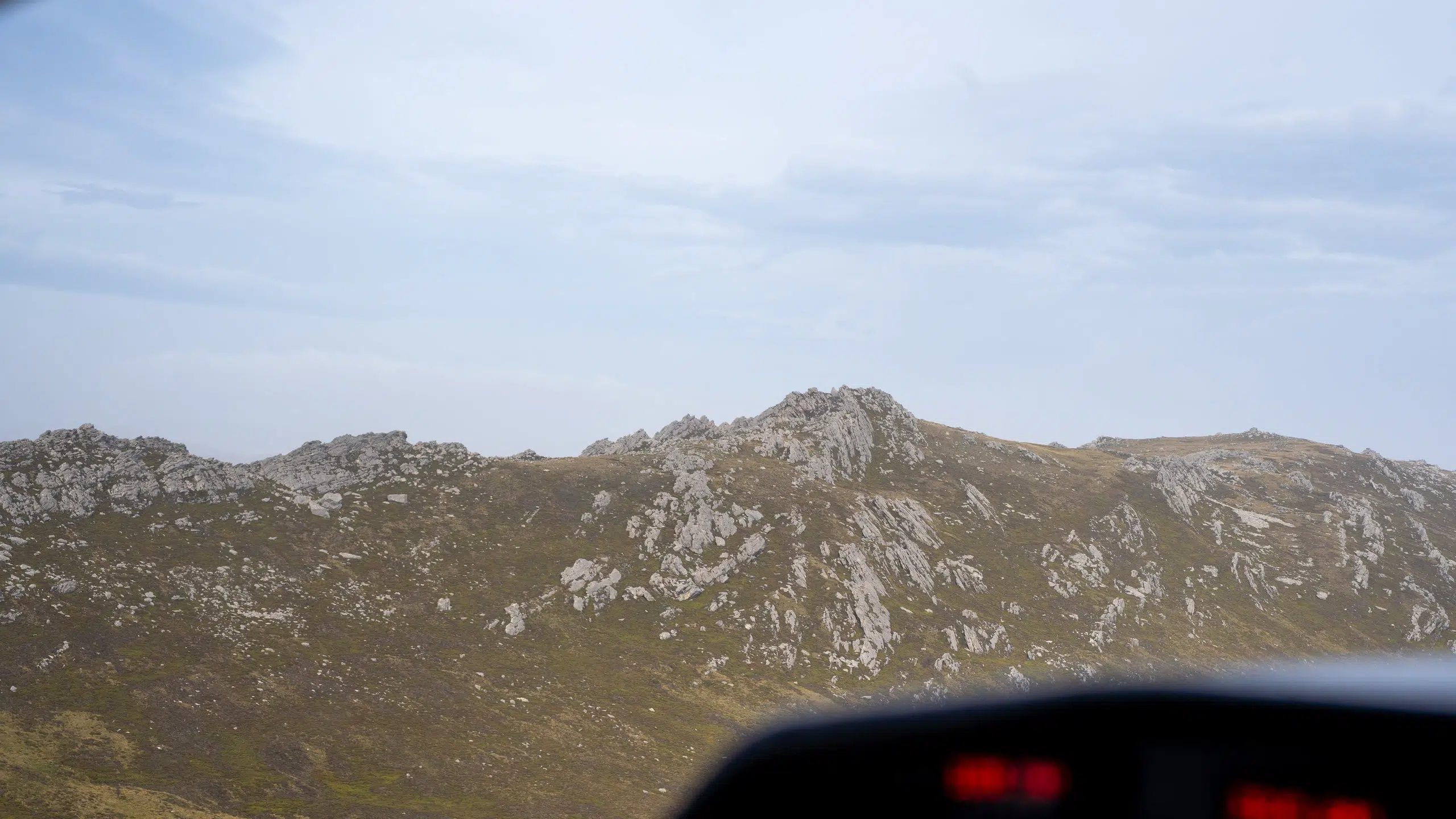
Outside of Stanley, there aren’t many roads, so you’ll get around one of two ways: by 4×4 or by plane. FIGAS, the Falkland Islands Government Air Service, flies small Britten Norman Islander planes between the islands and settlements. Flight times are confirmed the day before, and the baggage allowance is only 14 kg (about 30 pounds), so pack light. For day trips around East Falkland, you’ll want to book a local guide with a 4×4, since many of the best wildlife spots are reached by off-road tracks.
Where to Stay in the Falkland Islands
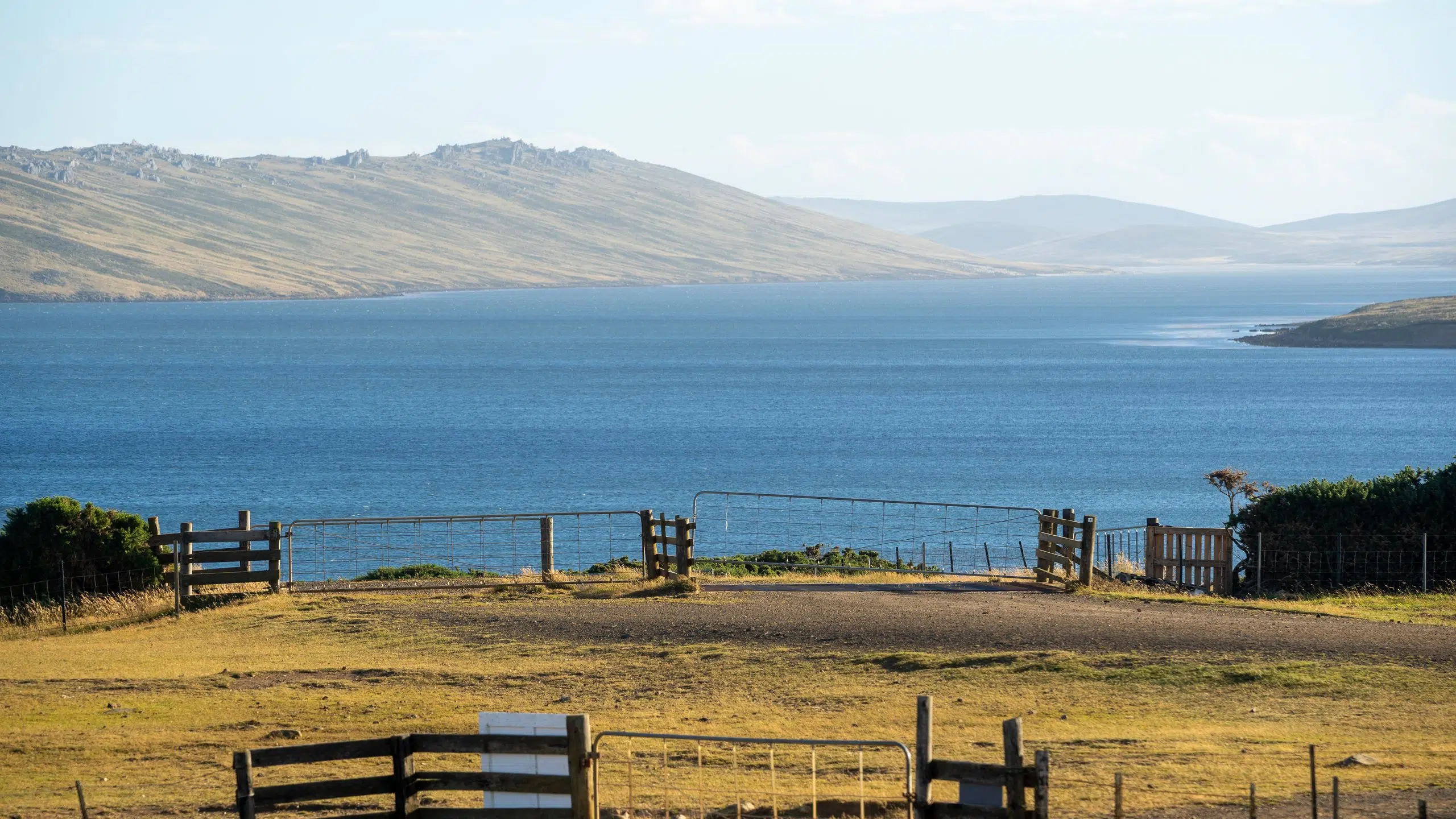
- Stanley: Malvina House Hotel, a comfortable harbor-side hotel with a restaurant, and my base for most of the week.
- Carcass Island: Carcass Island farmhouse, a cozy full board guest house on a working sheep farm.
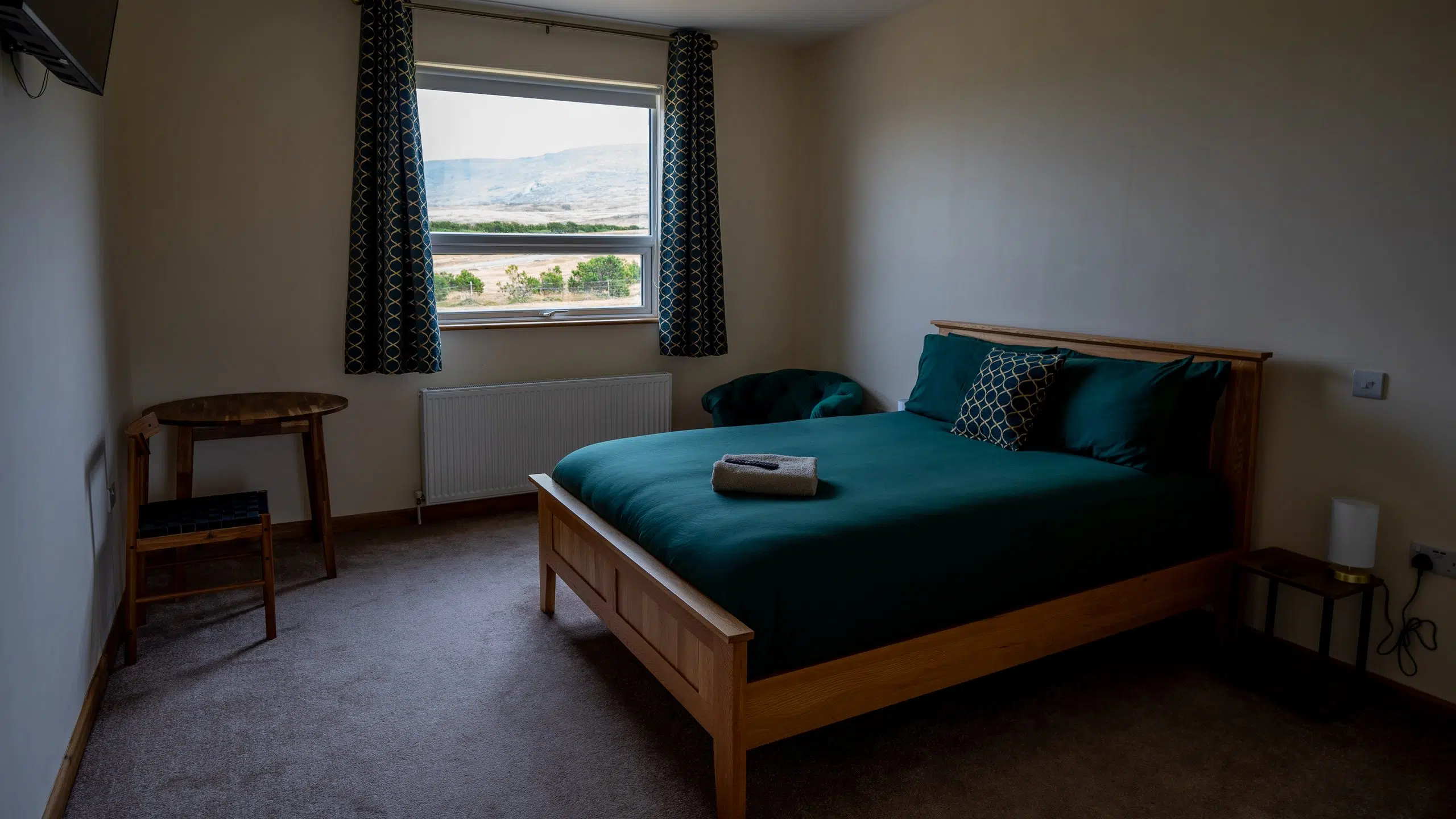
- Port Howard, West Falkland: Maria Motel, a restored old cookhouse that reopened to guests in October 2024, with a café serving hot food daily.
Accommodation across the islands is limited, so lock in your lodging before you finalize the rest of your Falkland Islands itinerary. The Falkland Islands Tourist Board and International Tour & Travel in Stanley can help you piece together flights, lodging, and tours.
Day 1: Arrive in Stanley
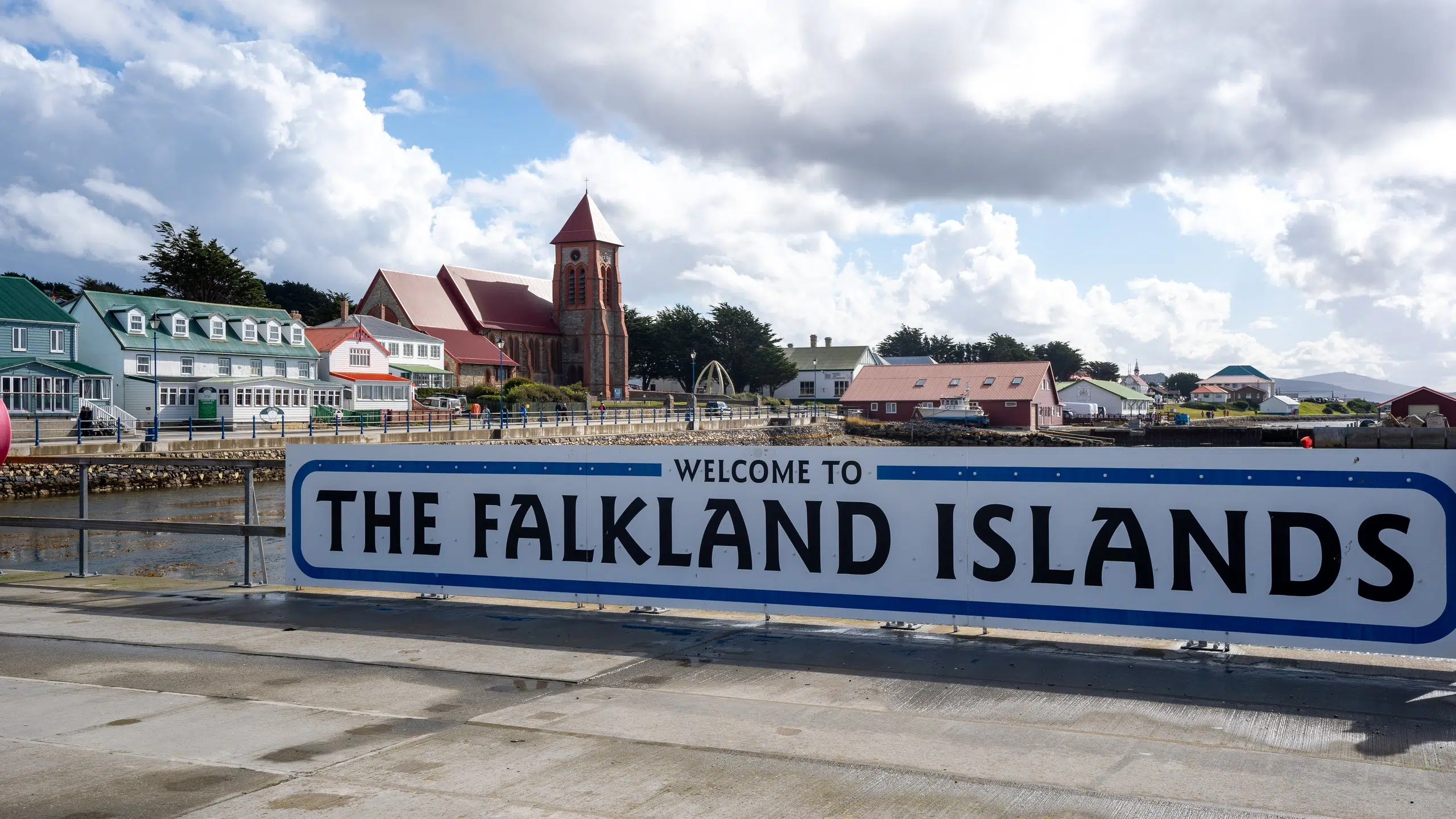
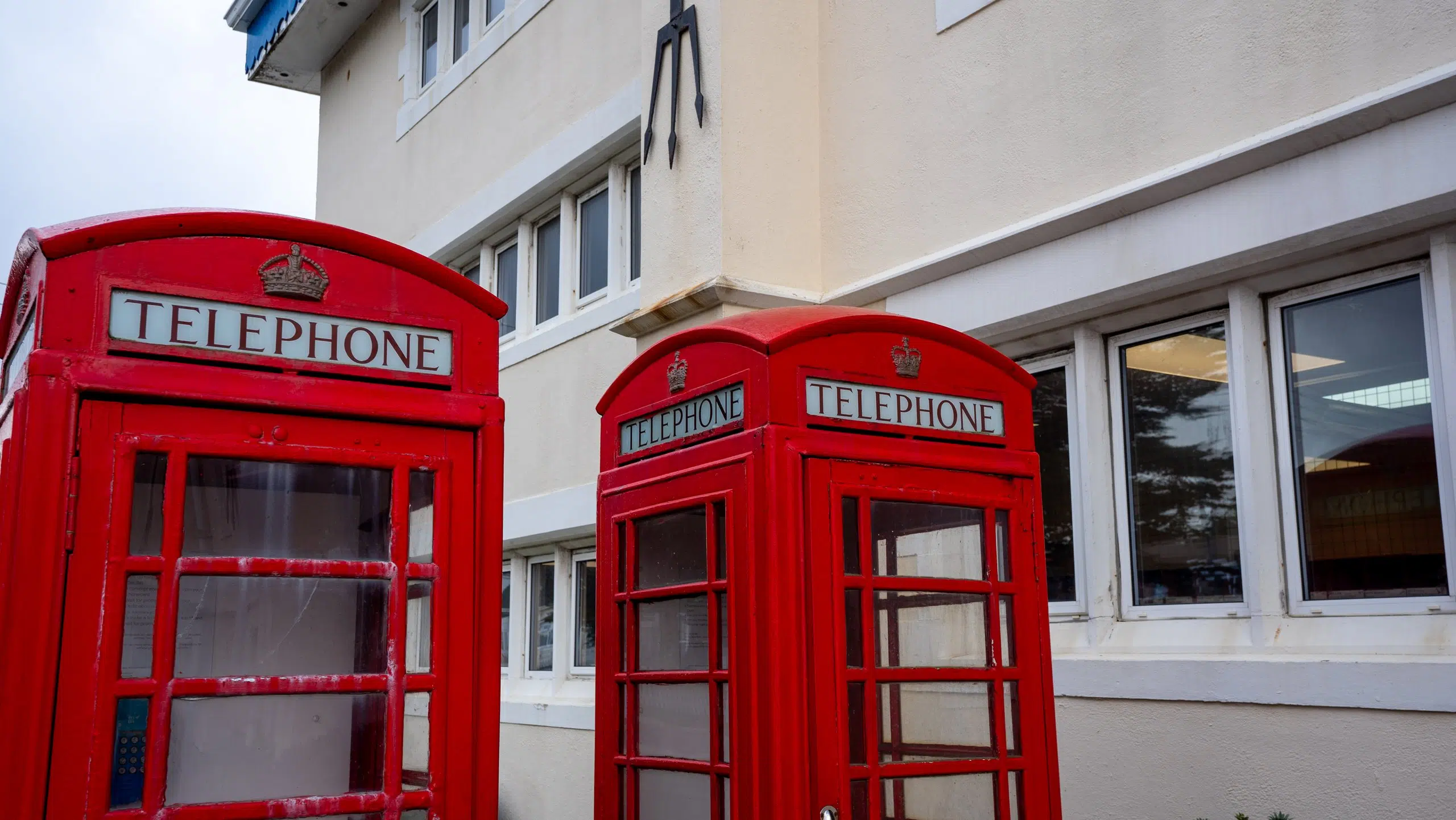
After landing at Mount Pleasant around midday, it’s about an hour’s drive to Stanley, the capital and home to most of the Falklands’ population. I checked into the Malvina House Hotel and spent the afternoon wandering along Ross Road, the waterfront road that runs along the harbor. Stanley is small and very walkable, and the colorful tin roofs, red phone boxes, and harbor views make it feel like a tiny slice of Britain at the end of the world.
Tip: Most shops close for lunch between noon and 1 p.m., and restaurants typically serve dinner between 7 and 9 p.m. Book dinner ahead, especially at Malvina House and The Waterfront, or head to Shorty’s Diner for something more casual.
Days 2 and 3: Carcass Island
The next morning, I hopped on a FIGAS flight to Carcass Island, off the northwest tip of West Falkland. This privately owned island has been run by the McGill family for more than 30 years, and because it’s free of rats and cats, the wildlife is incredible.
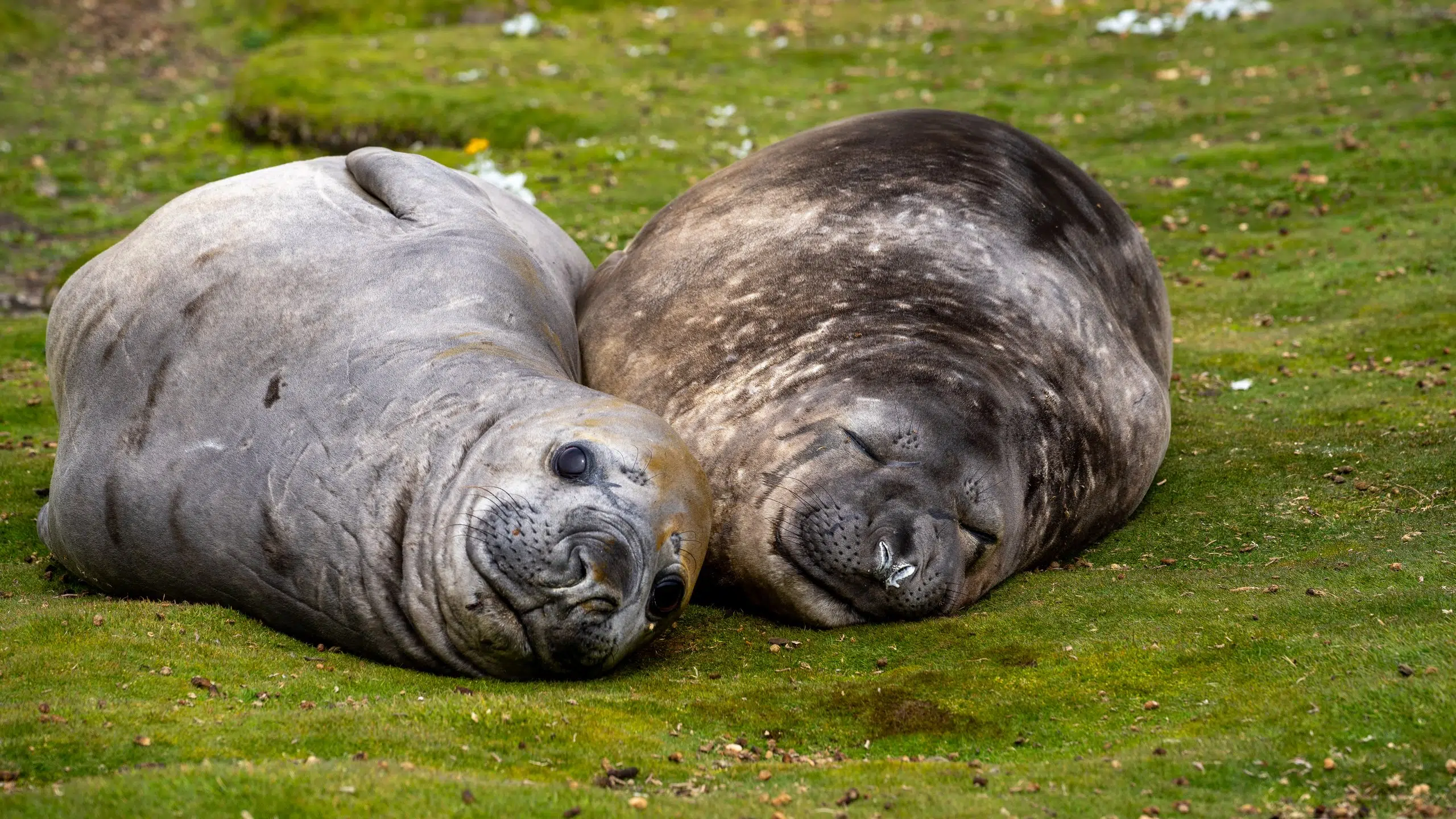
I spent my time here walking the island and watching elephant seals sleeping in piles on the grass, gentoo penguins commuting between their colony and the beach, Magellanic penguins popping out of their burrows, and striated caracaras (the island’s very bold, very nosy birds of prey) watching my every move.
Want all the details? Read my full Carcass Island guide.
Day 4: Port Howard, West Falkland
From Carcass Island, I flew to Port Howard, a small farming settlement on West Falkland surrounded by rolling hills and quiet water. I stayed at the Maria Motel, which was originally the settlement’s old cookhouse. It’s been painstakingly restored and reopened in October 2024, and it’s warm, cozy, and a great base for experiencing life in the Falklands’ ‘Camp,’ which is what locals call everywhere outside of Stanley.

Day 5: Sheep Muster and Back to Stanley
A Sheep Muster in Port Howard
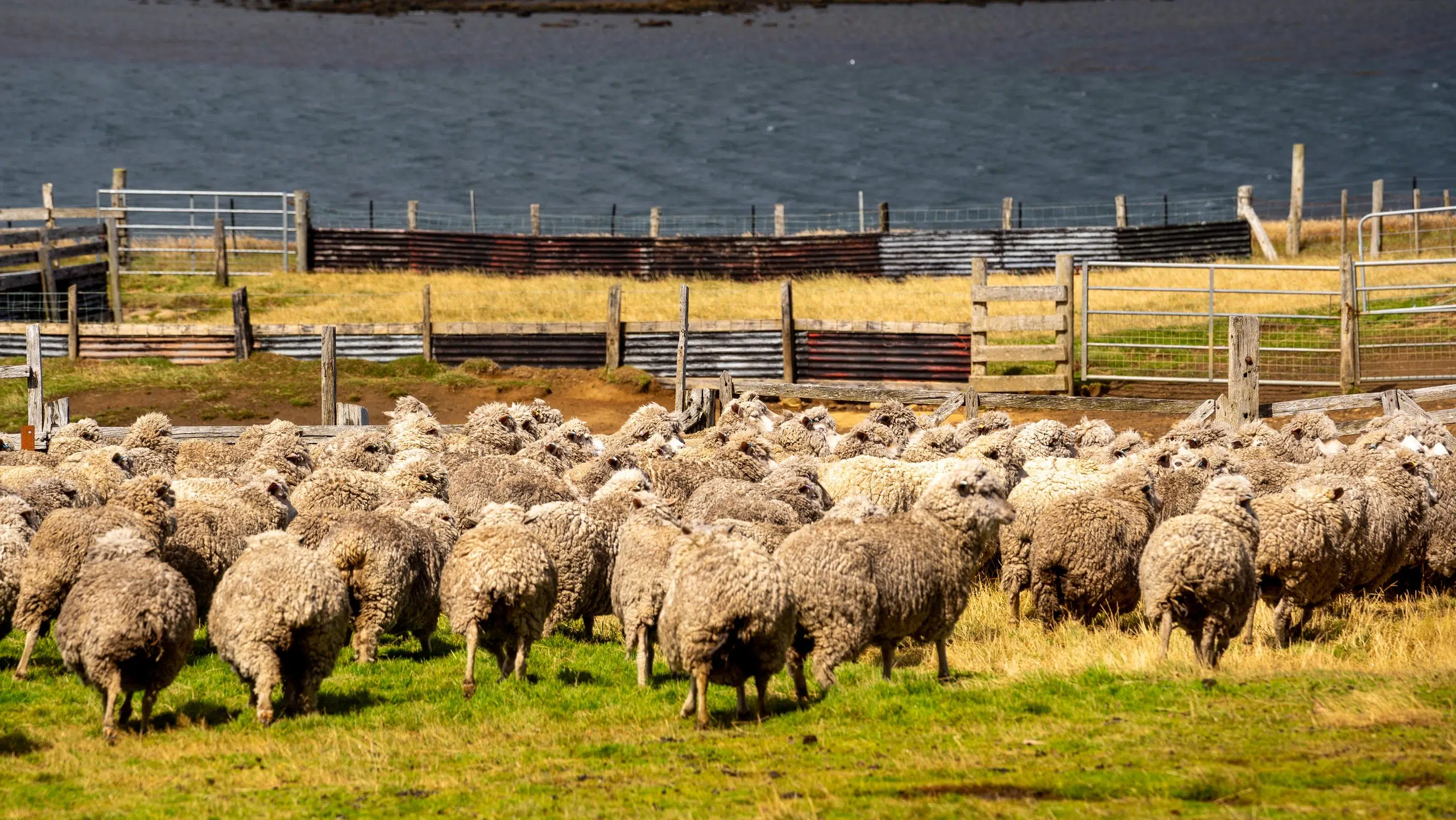
Before my flight back to Stanley, I got to watch a sheep muster, which was one of the most unexpectedly fun parts of the whole trip. Sheep farming has shaped the Falklands for well over a century, and seeing hundreds of sheep being herded into the pens by the water was a real glimpse into everyday island life.
Exploring Stanley
Once I landed back in Stanley, I spent the afternoon checking off the town’s highlights:
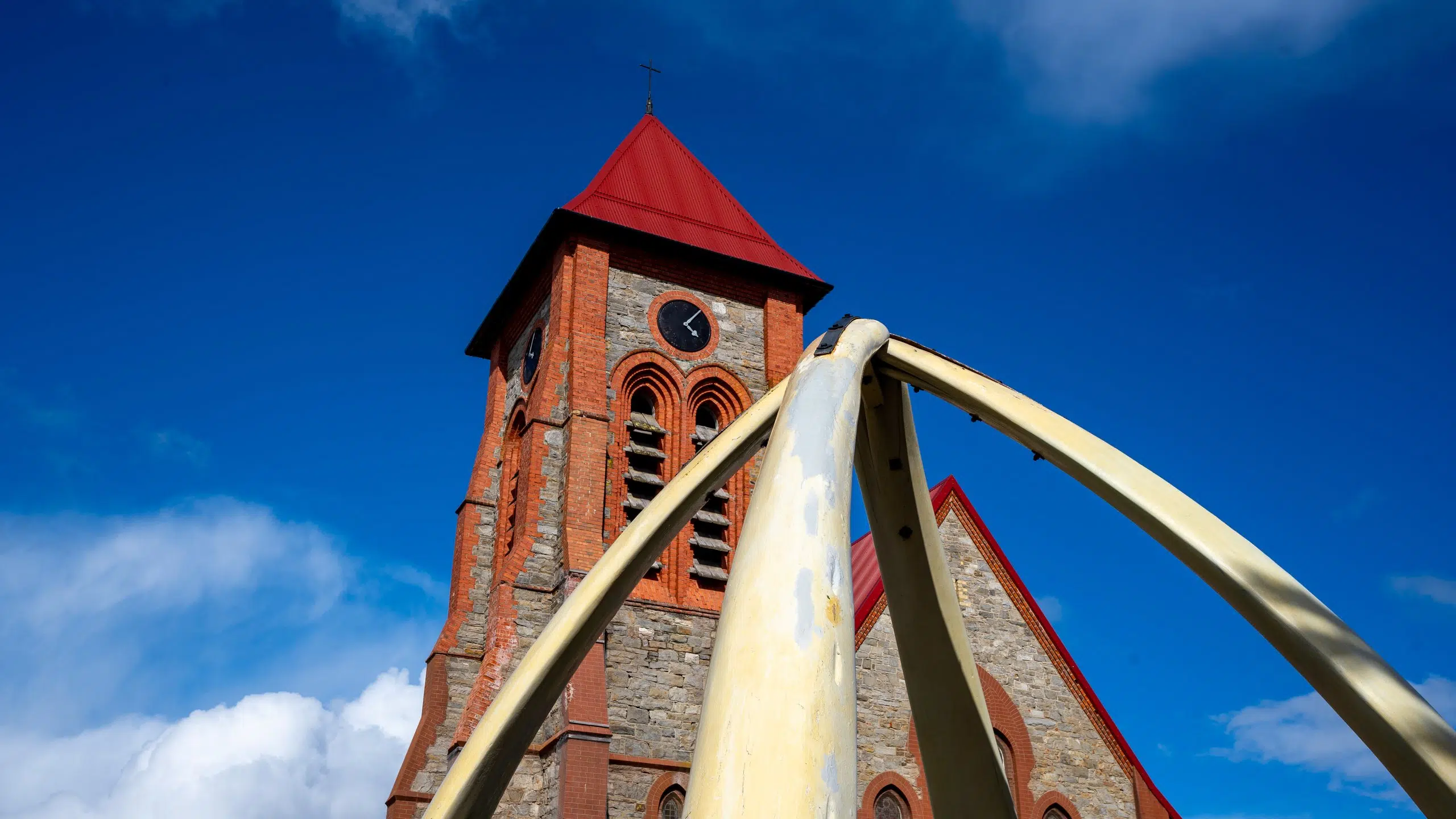
- Christ Church Cathedral: Consecrated in 1892, it’s the most southerly Anglican cathedral in the world.
- Whalebone Arch: Right next to the cathedral, this arch was built in 1933 from the jawbones of two blue whales.
- Jubilee Villas: A row of British-style terraced houses built in 1887 to celebrate Queen Victoria’s Golden Jubilee.
- Historic Dockyard Museum: Exhibits on Falklands maritime history, social history, and wildlife, plus a great gift shop.
- The Lady Elizabeth shipwreck: Stanley’s most iconic shipwreck, sitting at the east end of the harbor since a gale in 1936.
Day 6: Whale Point and Fitzroy
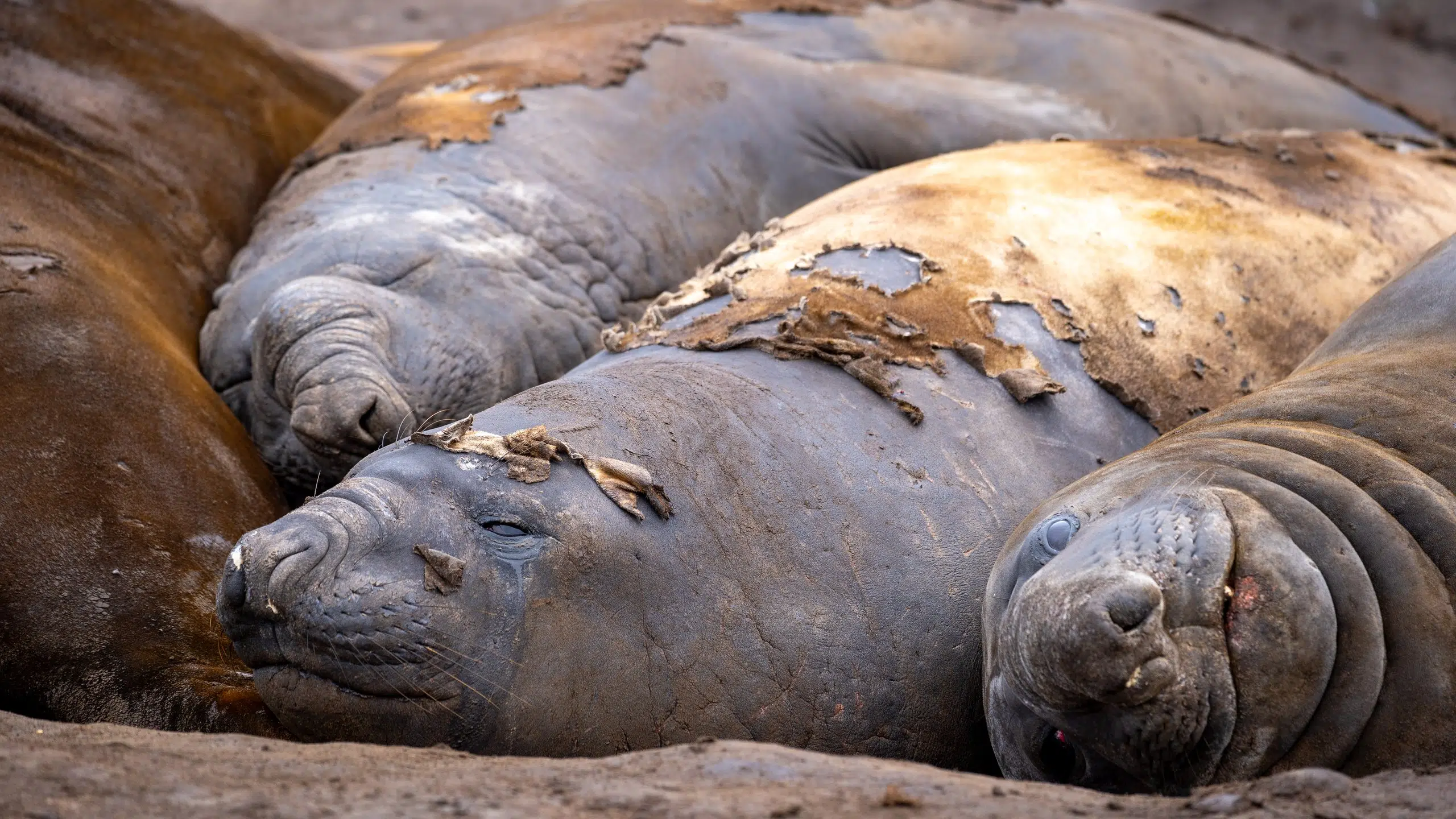
Day six was a full-day 4×4 tour with Eileen and Colin Davis, who have lived in the Falklands since the 1980s and are full of stories about life on the islands. We headed to Whale Point, also known as Kelp Point, on Fitzroy Farm in East Falkland. It’s a white sand beach where gentoo and Magellanic penguins come and go, and it’s home to a big group of southern elephant seals. Watching them flop around in the mud, grunt at each other, and fall back asleep never gets old.
On the way back, we stopped at Fitzroy settlement to see the memorials to those who lost their lives on the Sir Galahad and Sir Tristram, which were bombed on June 8, 1982, during the Falklands War. The memorials are inscribed in both English and Welsh, and it was a quiet, moving reminder of the islands’ history.
Day 7: Kidney Cove
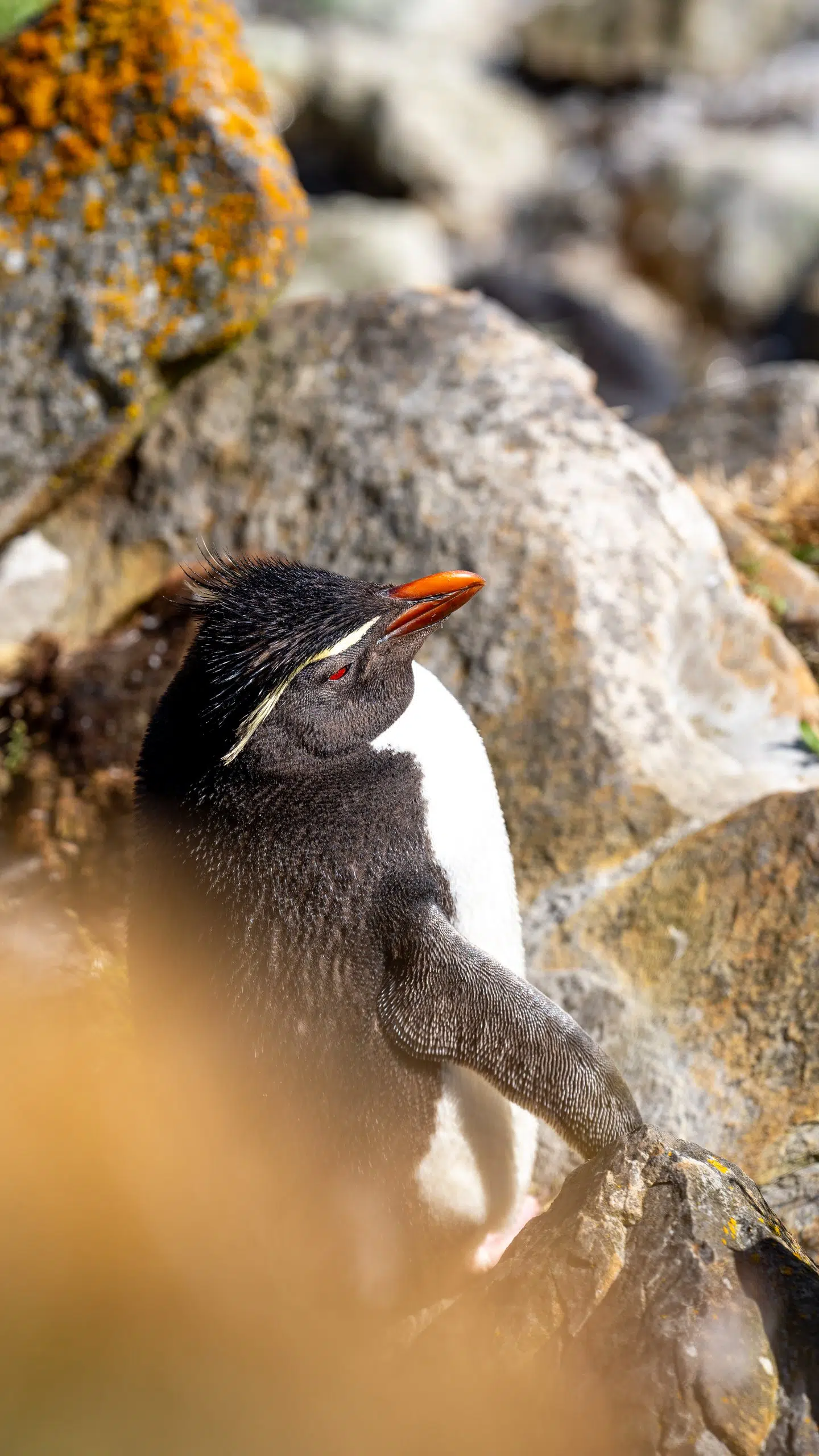
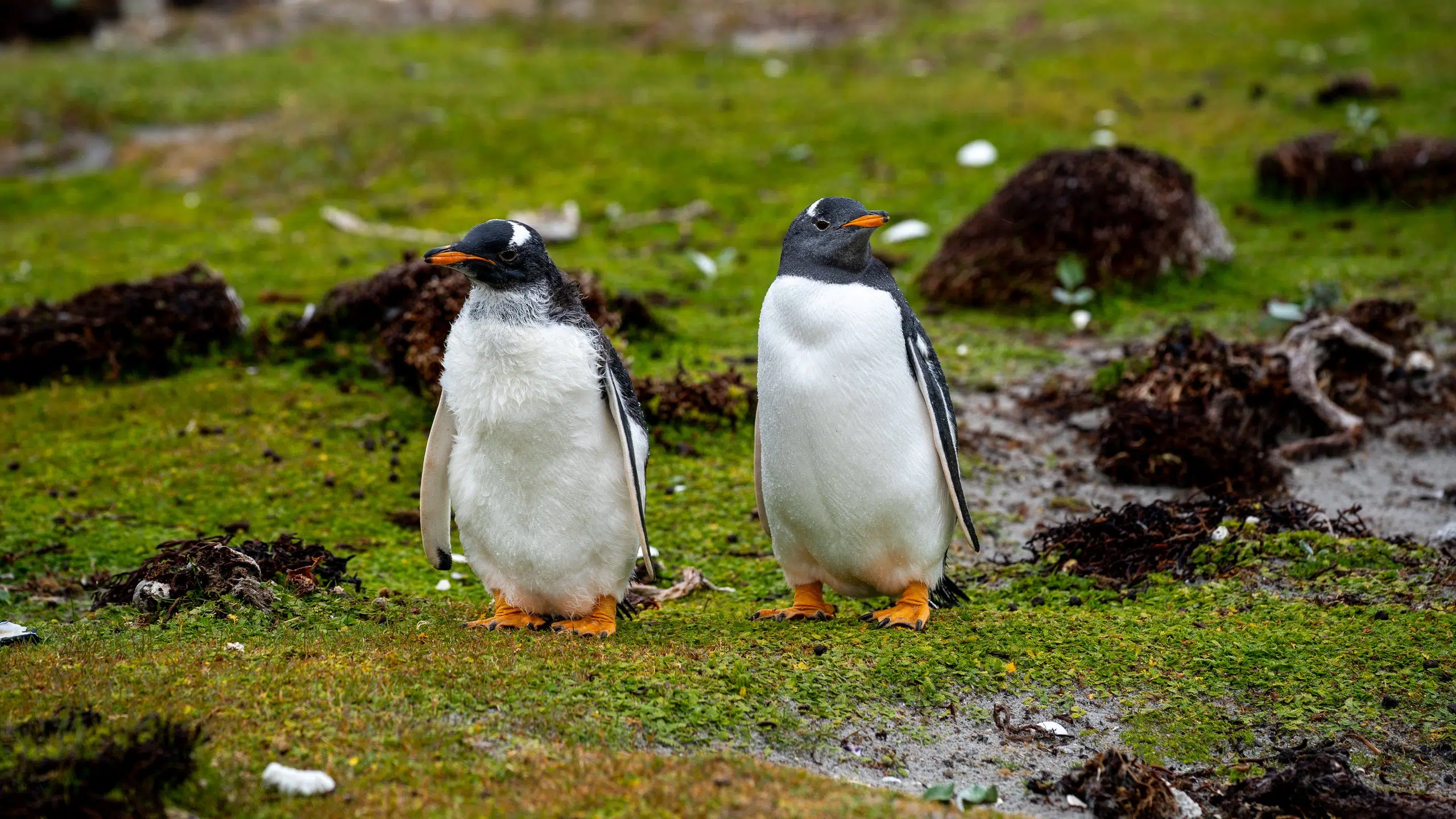
My last full day was the best wildlife day of the entire trip. I headed out to Kidney Cove on Murrell Farm, just outside Stanley, where the Lowe family runs Kidney Cove Tours. It’s one of the only places in the Falklands where you can see four different penguin species in one day: rockhopper, king, gentoo, and Magellanic.
Rockhopper Penguins
Rockhoppers are tiny, feisty, and have the best eyebrows in the animal kingdom. I watched them hop up and down the rocks of their cliffside colony like it was nothing.
Imperial Shags and a Sea Lion
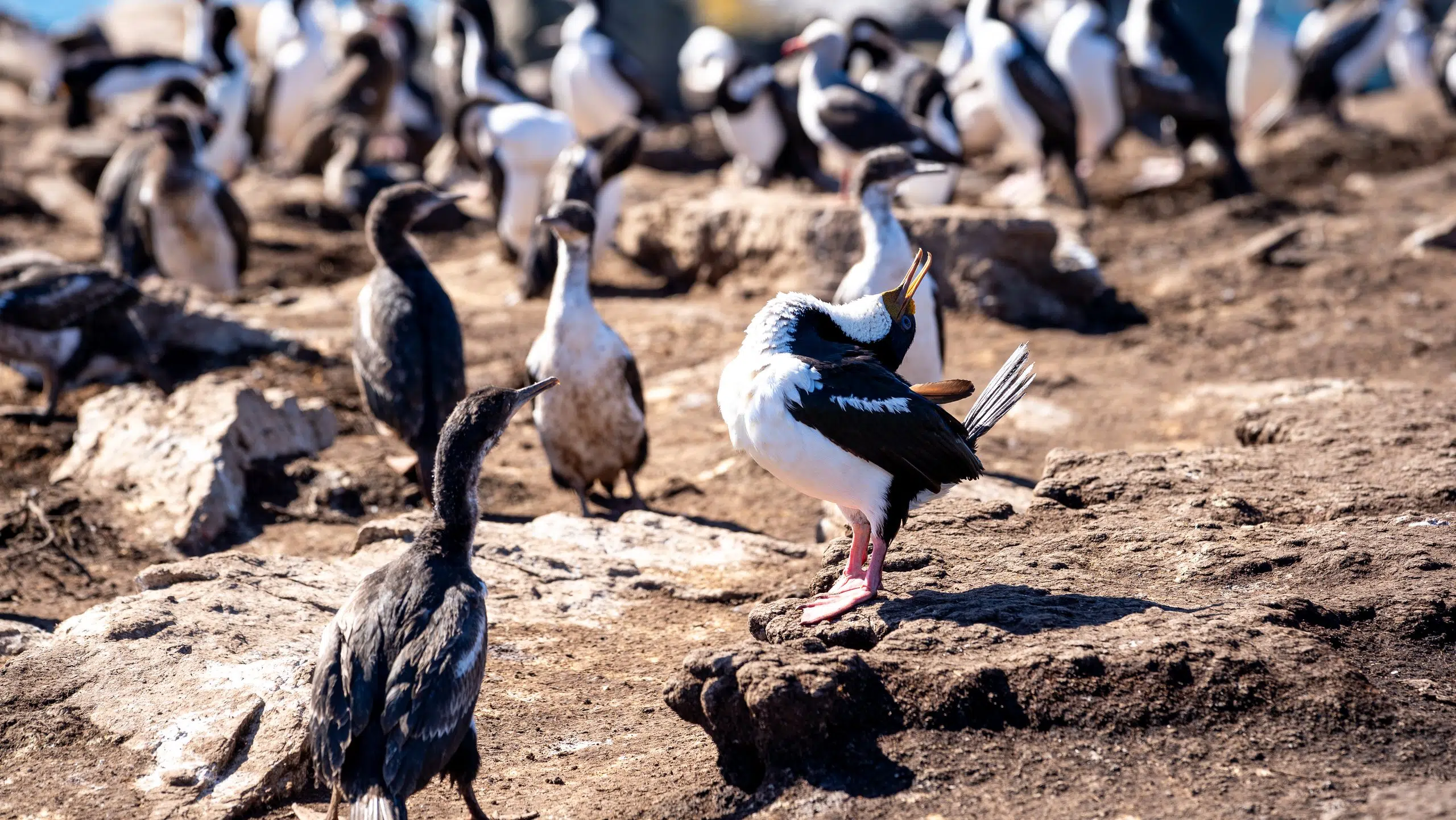
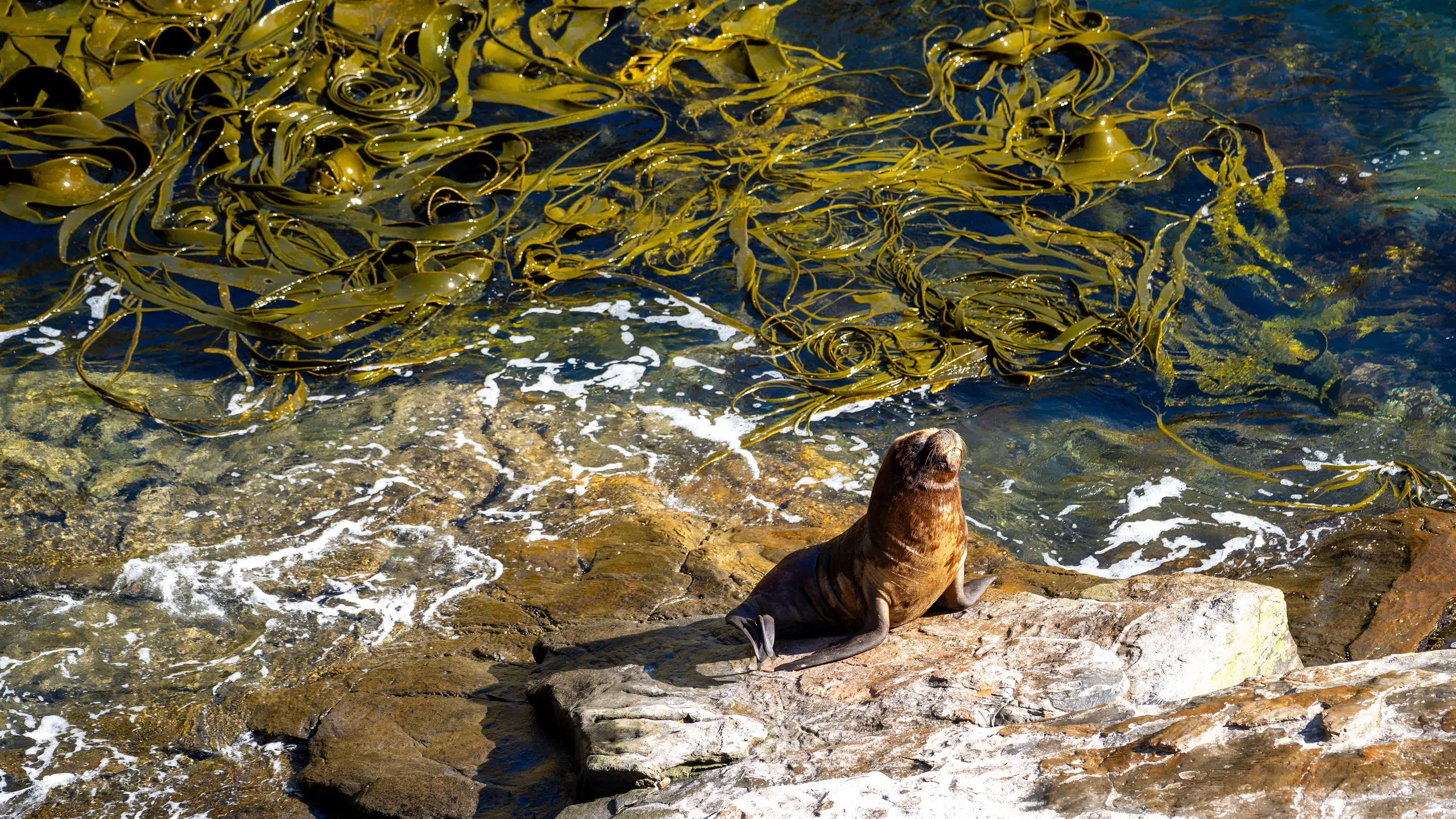
Right next to the rockhoppers was a huge colony of imperial shags, and down below on the kelp-covered rocks, a sea lion was hanging out in the sun.
King Penguins
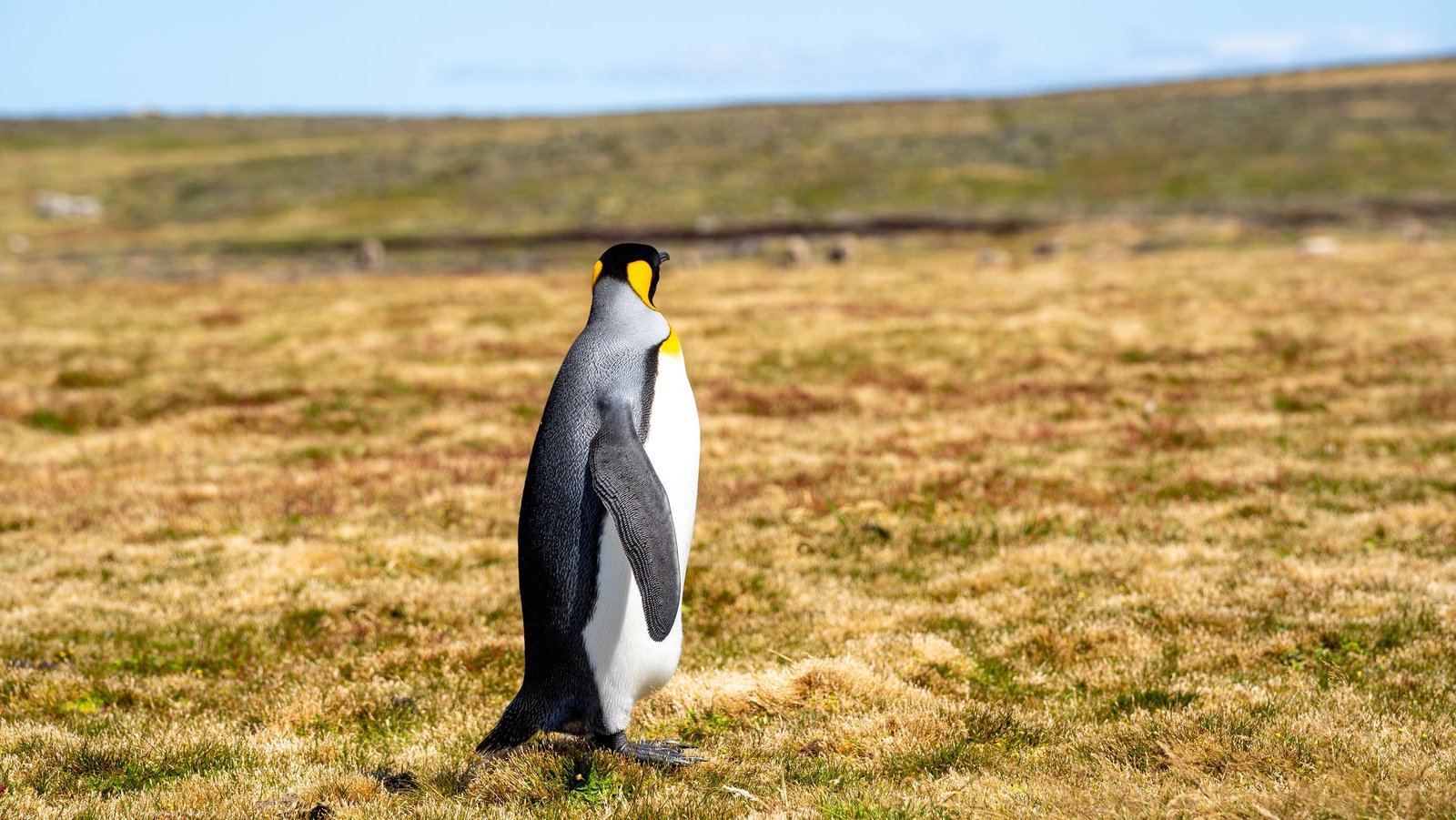
Then came the king penguins. They are so much bigger than you expect, with bright orange markings that almost don’t look real. Standing in the middle of the grass with them was easily one of my favorite moments of the trip.
Gentoos on the Beach
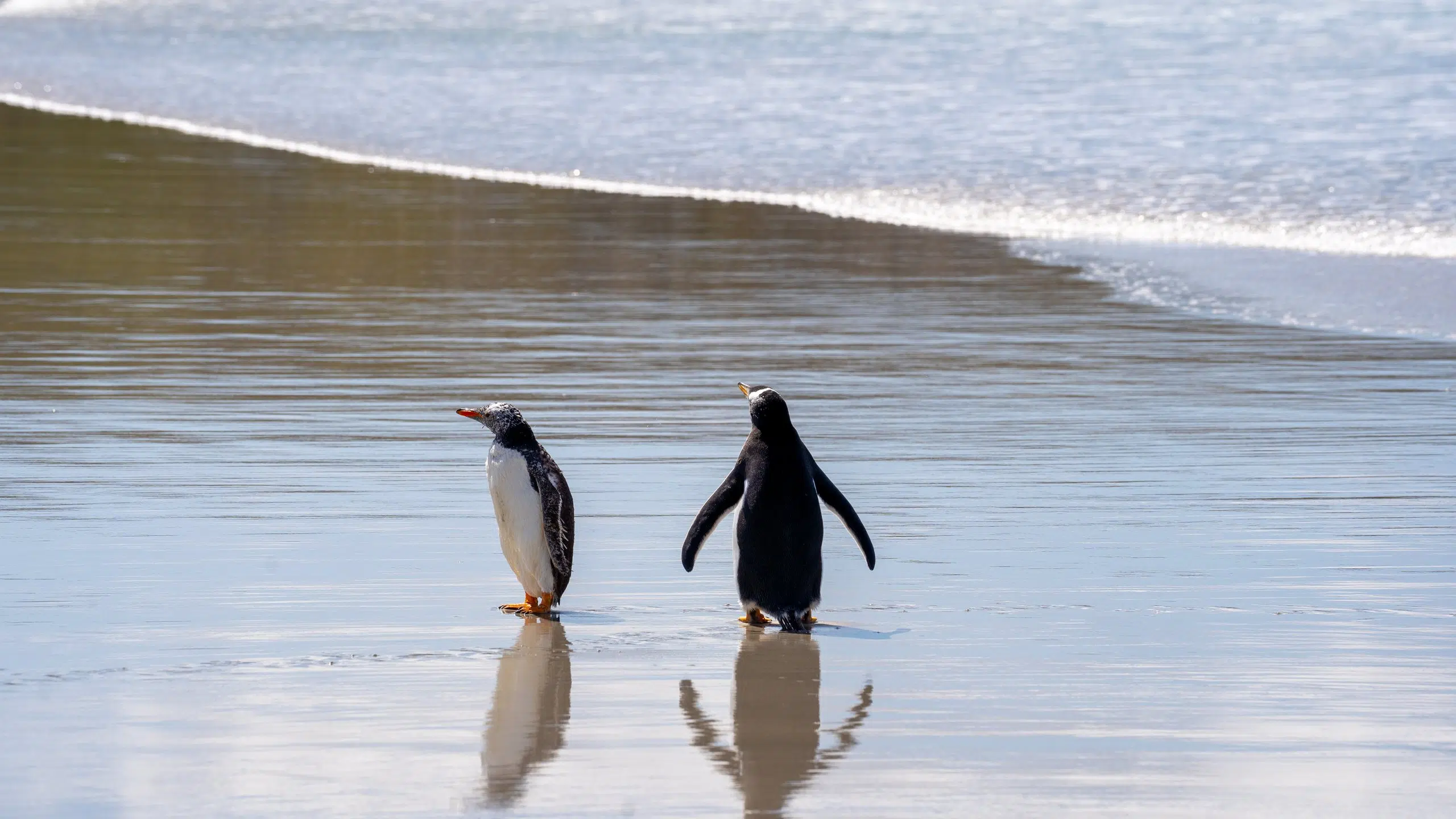
We finished on a white sand beach where gentoos waddled in and out of the surf, with a few king penguins mixed in. The reflections on the wet sand were unreal.
That evening, we had a farewell dinner in Stanley before heading home the next day.
Day 8: Depart the Falklands
The LATAM flight leaves Mount Pleasant on Saturday afternoon and arrives back in Santiago late that night, so plan to stay near the airport before your onward flight home.
Tips for Planning Your Falkland Islands Itinerary
- Plan around the weekly flight. With only one LATAM flight a week, your trip will naturally be built around Saturdays.
- Expect weather delays. FIGAS flights depend on wind and fog, so keep your plans flexible.
- Pack light for FIGAS. The 14 kg baggage allowance includes everything, so leave a bigger bag at your hotel in Stanley.
- Dress in layers. Even in summer, it’s windy and cool, and the weather can change by the hour. A waterproof jacket, hat, and gloves are essential.
- Bring a zoom lens. The wildlife is close, but a zoom lets you capture it without getting too close.
- Give wildlife space. Never block a penguin’s path to the sea, and watch your step around Magellanic penguin burrows.
- Book everything early. Accommodation and tours are limited, especially from December through February.
Want to see what I packed? Check out my travel essentials list on Amazon.
Best Time to Visit the Falkland Islands
The best time for a Falkland Islands itinerary is the austral summer, from roughly October through March, when the penguins are nesting and the weather is mildest. I went in February, which was perfect for seeing penguin chicks, elephant seals on land, and long daylight hours.
Falkland Islands Itinerary FAQs
How many days do you need in the Falkland Islands?
Since the LATAM flight runs weekly, most visitors stay one week. A 7-day Falkland Islands itinerary is enough to see Stanley, one or two outer islands, and the best wildlife sites on East Falkland.
Can you see king penguins in the Falklands?
Yes. I saw king penguins at Kidney Cove near Stanley, and Volunteer Point on East Falkland is home to the islands’ largest king penguin colony.
Is the Falkland Islands expensive to visit?
It can be. Flights, FIGAS hops, guided 4×4 tours, and full board lodging on the outer islands add up, so plan your budget ahead of time.
Do you need a guide in the Falklands?
For most wildlife sites outside of Stanley, yes. Many are on private farmland and reached by off-road tracks, so a local guide with a 4×4 makes it easy, and you’ll learn so much along the way.
Final Thoughts: My Falkland Islands Itinerary
The Falkland Islands are remote, windswept, and completely wild in the best way. In one week, I saw four penguin species, elephant seals, sea lions, and rare birds, flew between islands on tiny planes, and got a real taste of life at the edge of the world. If you love wildlife and want a trip that feels truly off the beaten path, I hope this Falkland Islands itinerary helps you plan yours.
Have questions about planning your own Falkland Islands trip? Drop them in the comments, I’d love to help.
More From My Falklands Trip
Where to go: Carcass Island, Falkland Islands: The Ultimate Wildlife Guide | Wildlife: Falkland Islands Wildlife Guide
Until next time, happy wanderings!
Disclosure: This article contains affiliate links. If you make a purchase after clicking one of these links, I earn a small commission at no extra cost to you. Read my full disclosure policy.
As an Amazon Associate, I earn from qualifying purchases.


